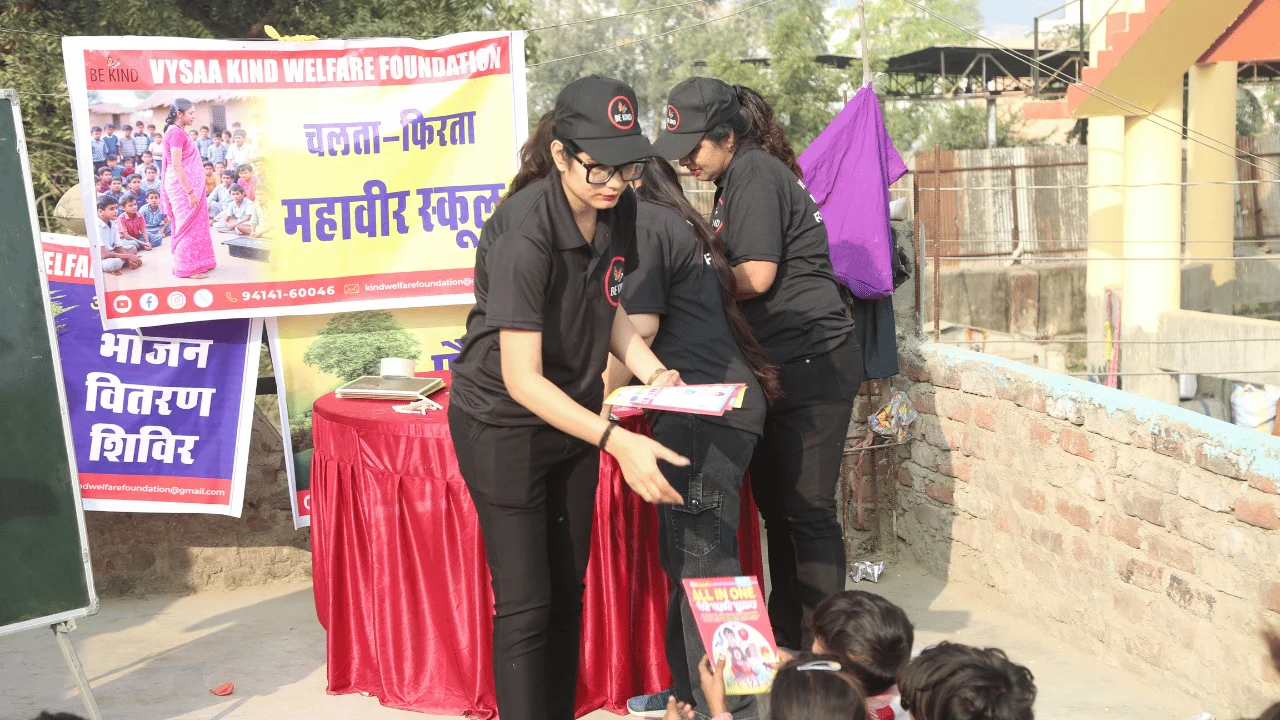
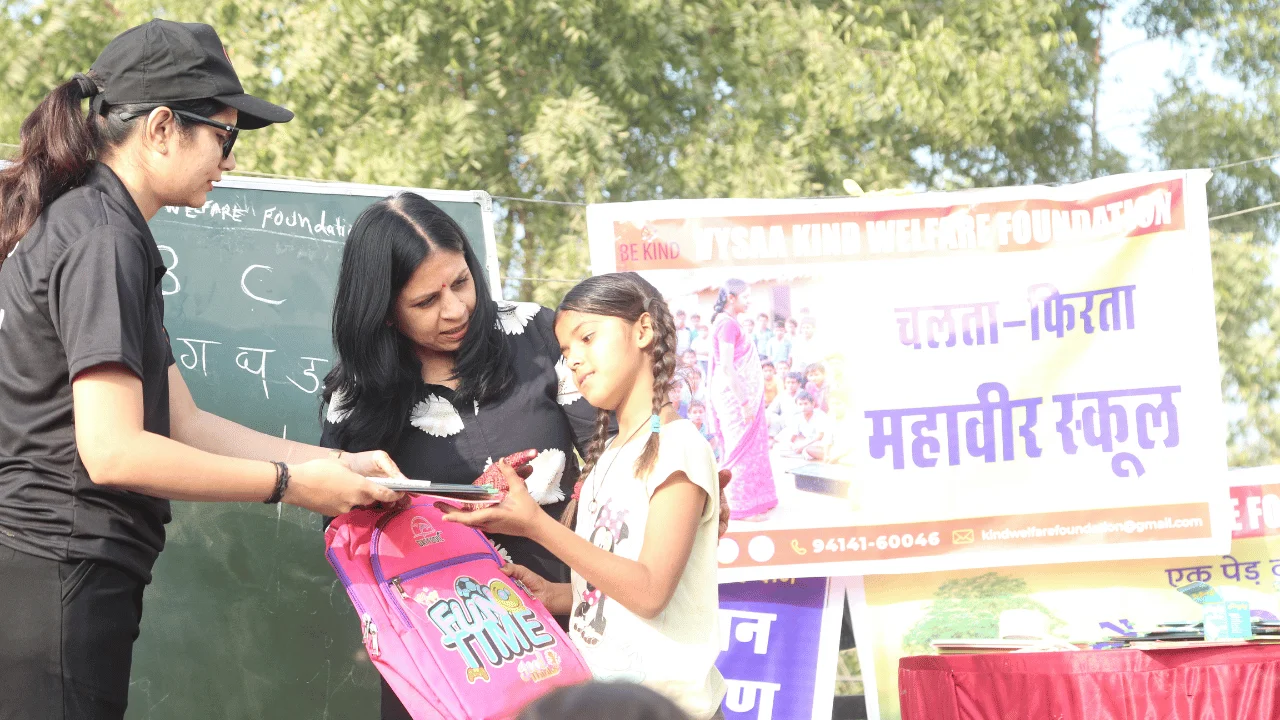
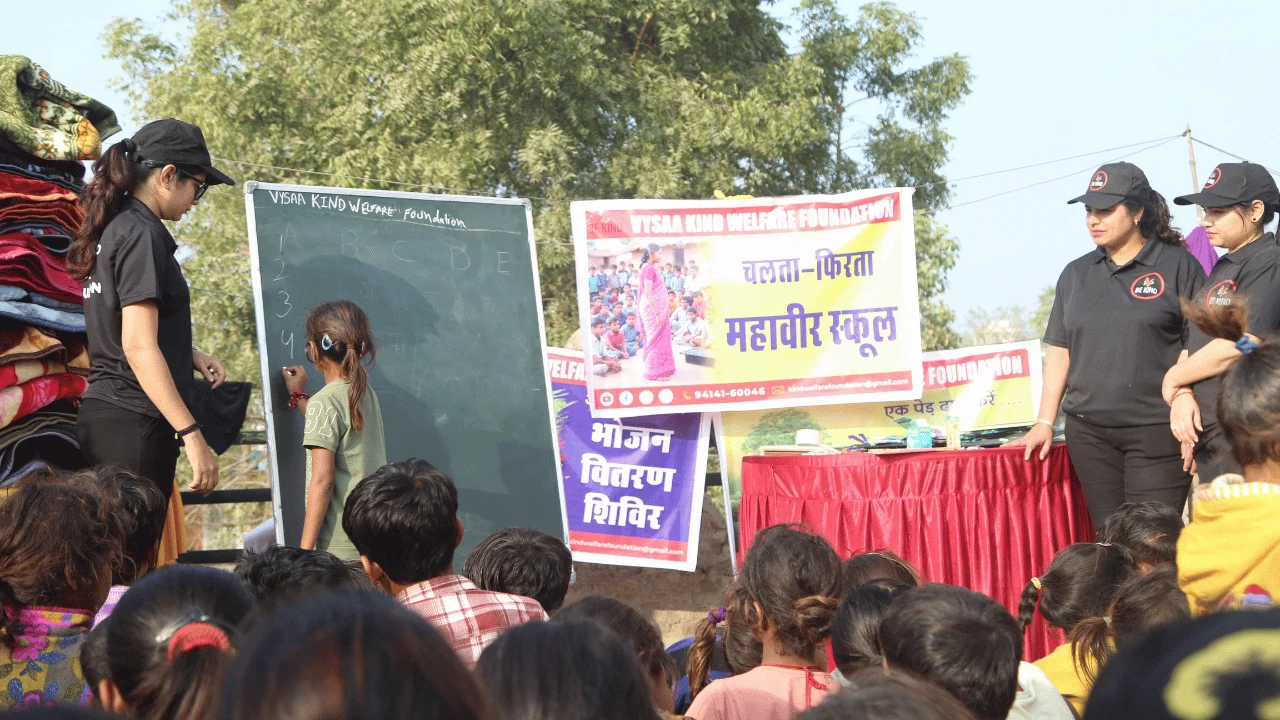
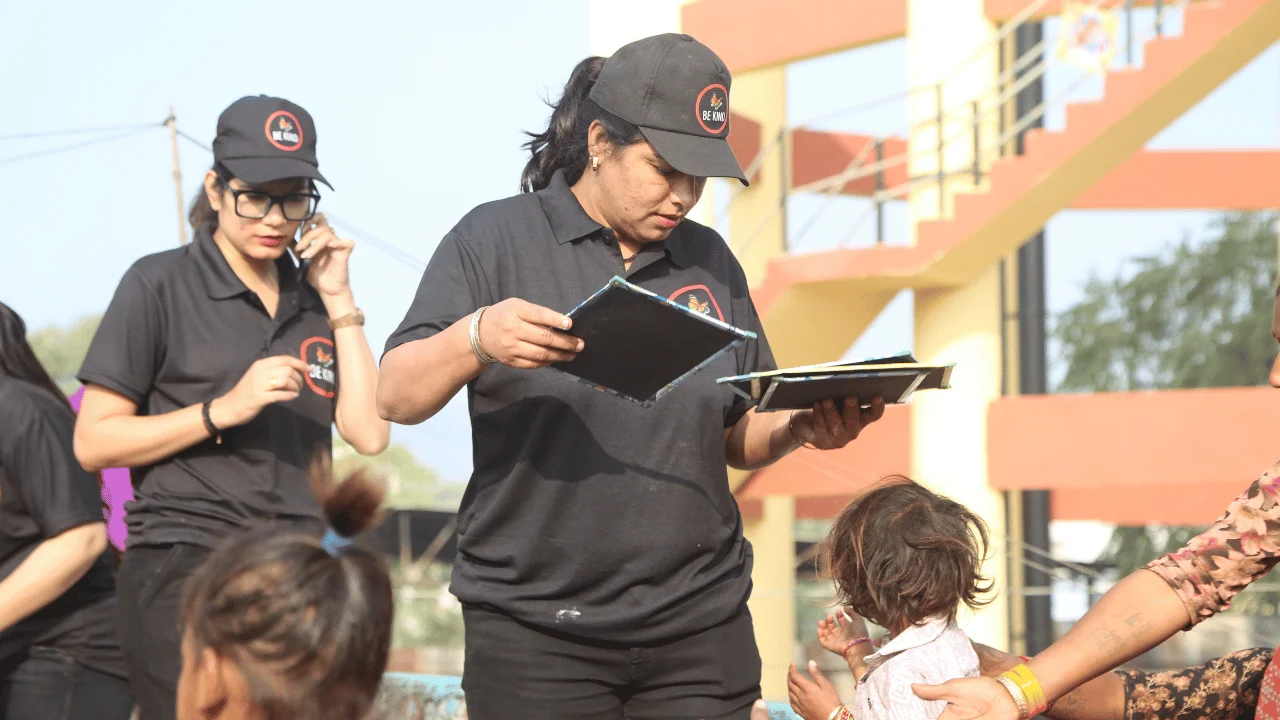
In many rural areas and small settlements, education does not always begin inside a classroom. For several children, the journey of learning starts in open spaces, small corners, or wherever someone is willing to sit with them and guide them. Limited access to schools, financial challenges, and family responsibilities often pull children away from structured education at an early stage. Despite this, the desire to learn remains strong. When learning reaches these children through basic teaching efforts and early education support, it creates a foundation that was missing for a long time. Even simple lessons—alphabets, numbers, basic reading—become powerful tools that begin to shape their confidence and understanding of the world around them.
The Struggle Behind Every Child
Each child carries a different story, often shaped by circumstances beyond their control. Some help their families with daily work, while others lack the resources needed for regular schooling. In such situations, education slowly becomes distant, and the gap continues to grow. When learning support reaches them consistently, the shift is visible. Children begin to sit together, engage, and show curiosity that was always there but never nurtured. Education becomes more than just learning subjects—it becomes a way for them to see possibilities beyond their current reality. Parents also begin to recognise its importance as they witness small but meaningful changes in their children’s behaviour, confidence, and willingness to learn.
Education does not just teach a child how to read, it gives them the
confidence to see a different life ahead..
Building Confidence Through Learning
The real impact of education is not just in books or lessons but in the confidence it builds over time. A child who once hesitated to speak begins to answer questions. A child who struggled to write begins to express thoughts more clearly. These moments reflect how consistent guidance can slowly transform a child’s path. Learning creates awareness, improves decision-making, and opens doors that were once out of reach. Efforts continue to ensure that children receive the support they need to move forward, step by step, without feeling left behind. Because when a child gains access to learning, it changes more than their present—it reshapes their entire future.